
A Canvas Called Life
Since the dawn of humanity, art has been a mirror to the soul, a language beyond words. From the ancient caves of Bhimbetka to forgotten murals and folk traditions across the world, art has always been how we expressed what could not be spoken. Yet, for all its universality, art has long lived behind invisible walls, walls built by inequality, privilege, and silence.
Hina’s Art Pavilion (HAP) was born to tear down these walls. Not just a gallery, HAP is a living, breathing space where art meets life. It’s where creativity is not just displayed, but felt where every brushstroke, sculpture, and idea is part of a larger story: the story of inclusion, of rediscovery, of empowerment.
A Childhood Dipped in Color
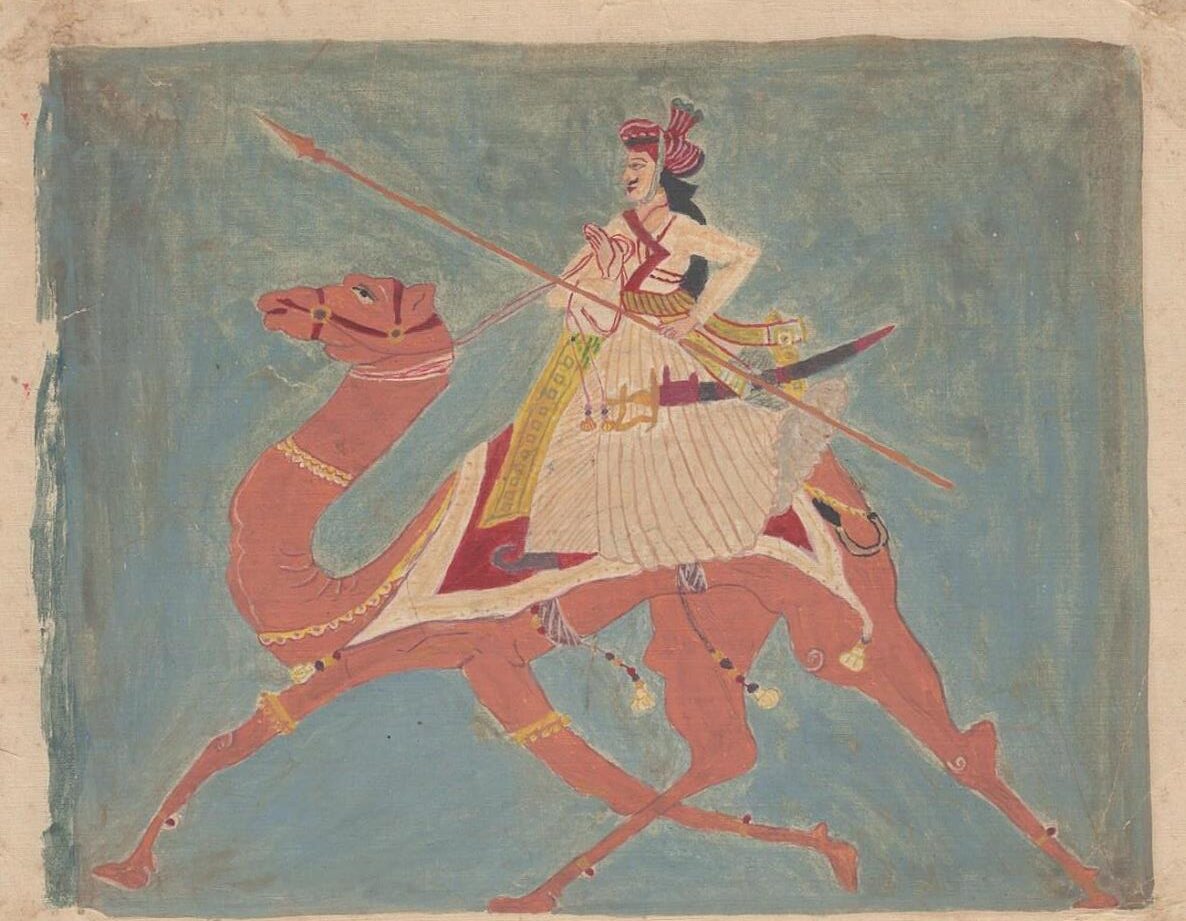
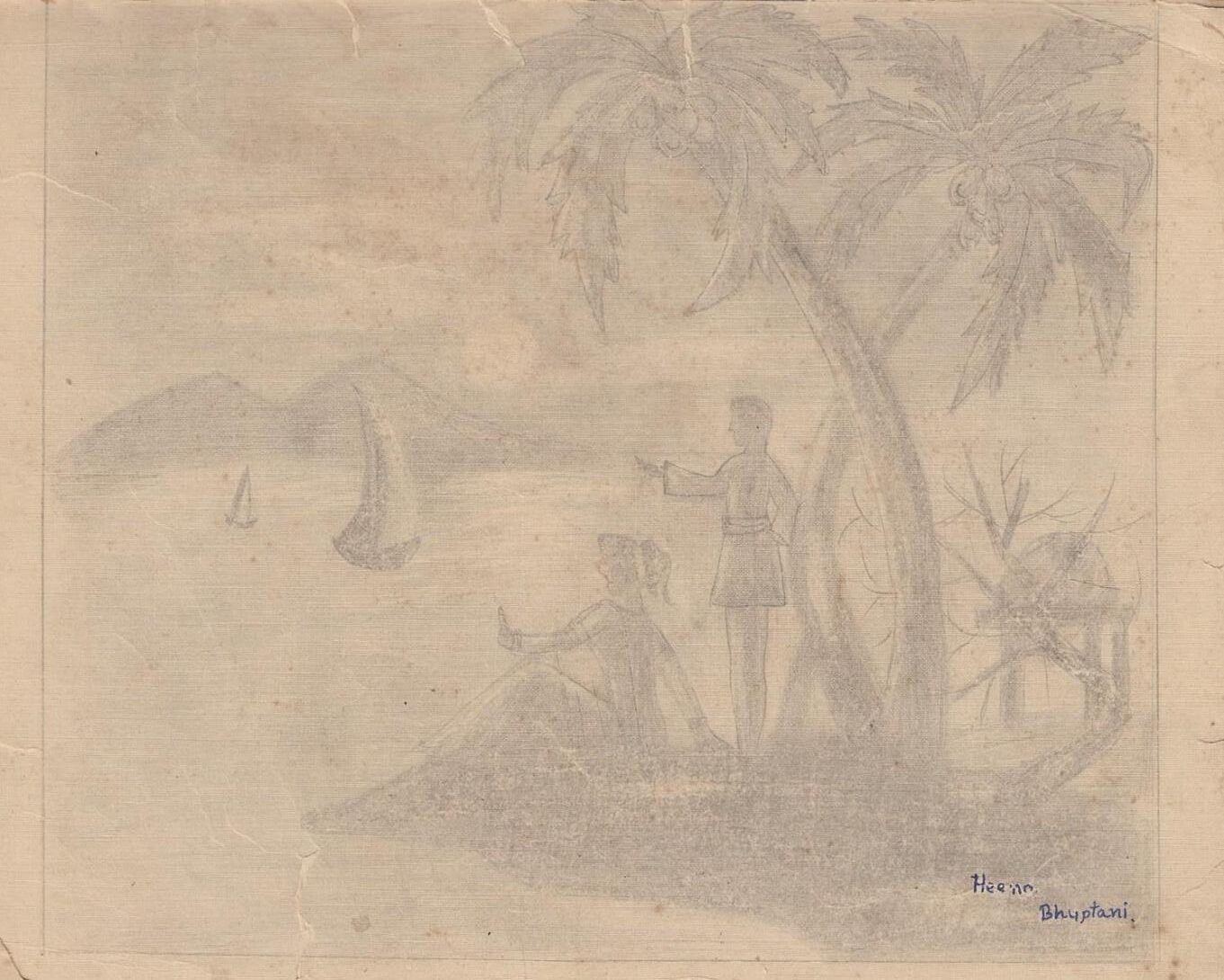
My journey began quietly on the backs of school notebooks, in the margins of textbooks. I was a child who danced as much with her feet as with her imagination. I told stories through sketches, patchworks, portraits imperfect but alive. It wasn’t just a hobby. It was how I breathed.
Much of this came from my mother, an artist in her own right. She didn’t give me toys to pass time. She gave me colors, textures, and freedom. While she worked passionately on floors with oil paints that left their mark for years, I was six and already fascinated by the permanence of creativity. Too young for canvases, she gave me earthen pots, glass, even wooden planks to experiment with pencil and enamel colors. My first steps in art were messy, joyful, and endlessly inventive.
Awards and recognition followed but more importantly, so did a lifelong love for the process of creating.
The Artist Meets the Entrepreneur
As I grew older, art remained my anchor, even when life moved into very different territory. I became an entrepreneur in the packaging industry. In the 1980s, a time when women in business were rare, I began mentoring women to become entrepreneurs themselves. I taught them how to see problems differently, how to innovate, and how to lead with creativity. My artistic spirit shaped my entrepreneurial path, whether through the way I dressed, gardened, played, or even how I solved business challenges.
But my soul kept returning to art.
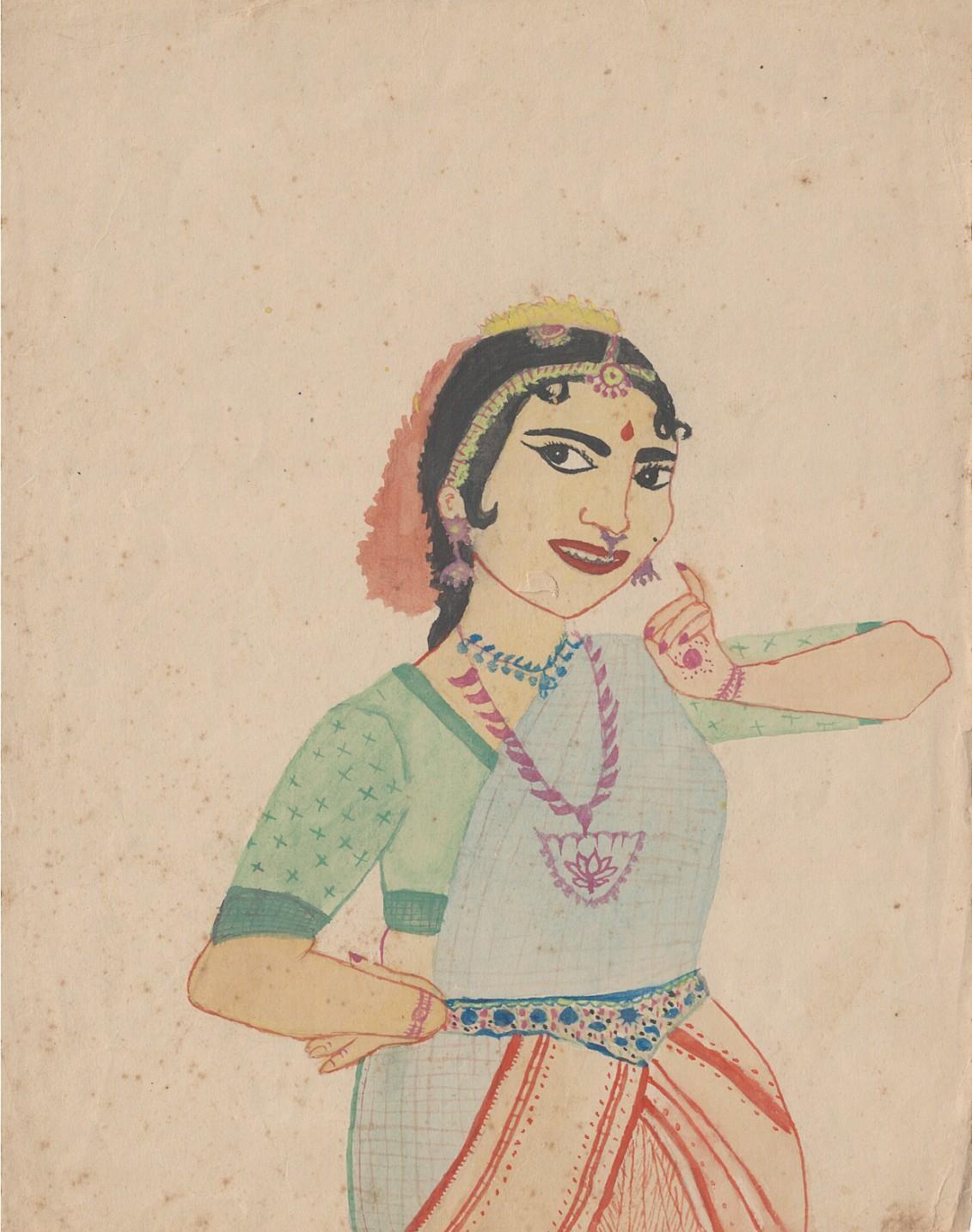
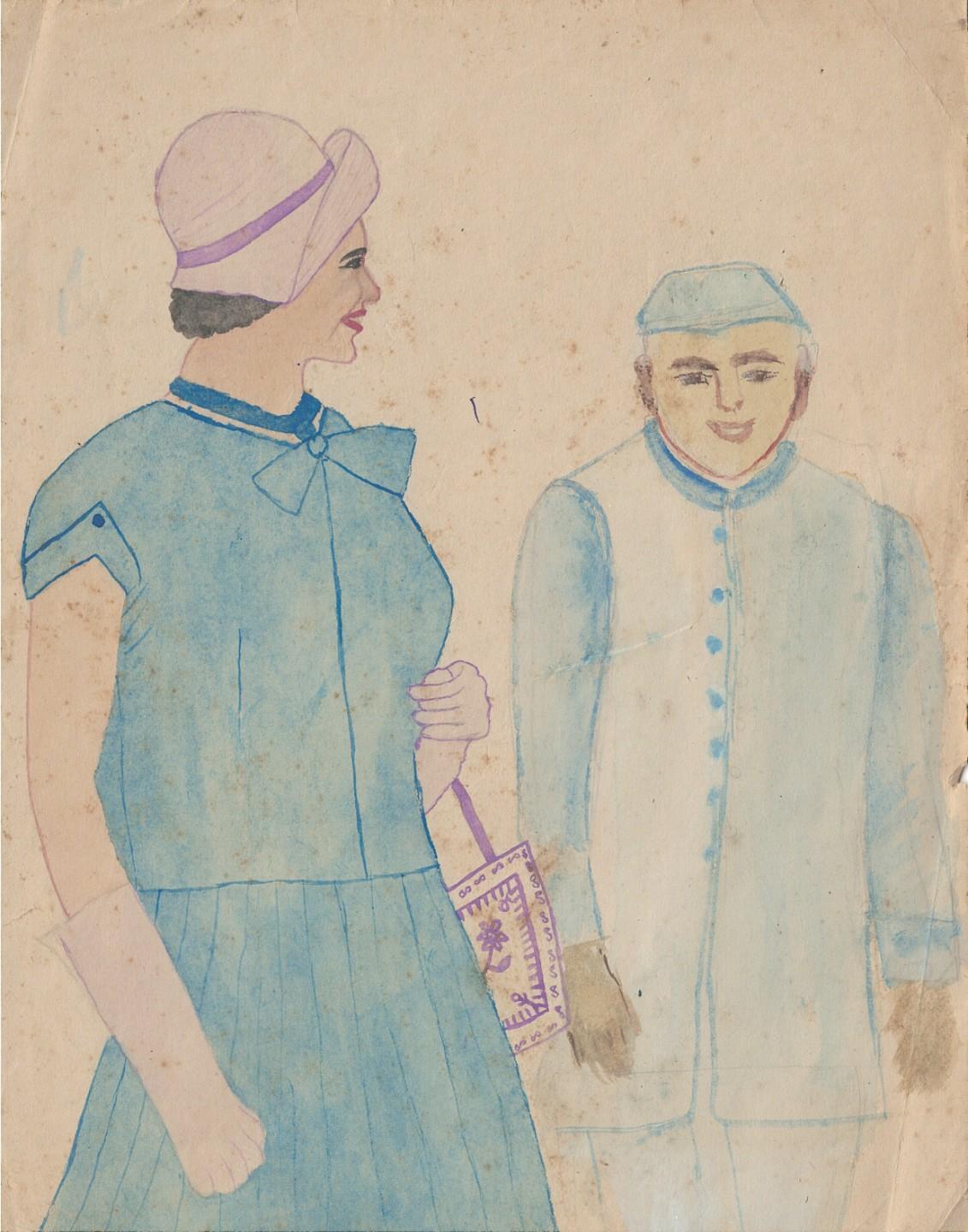
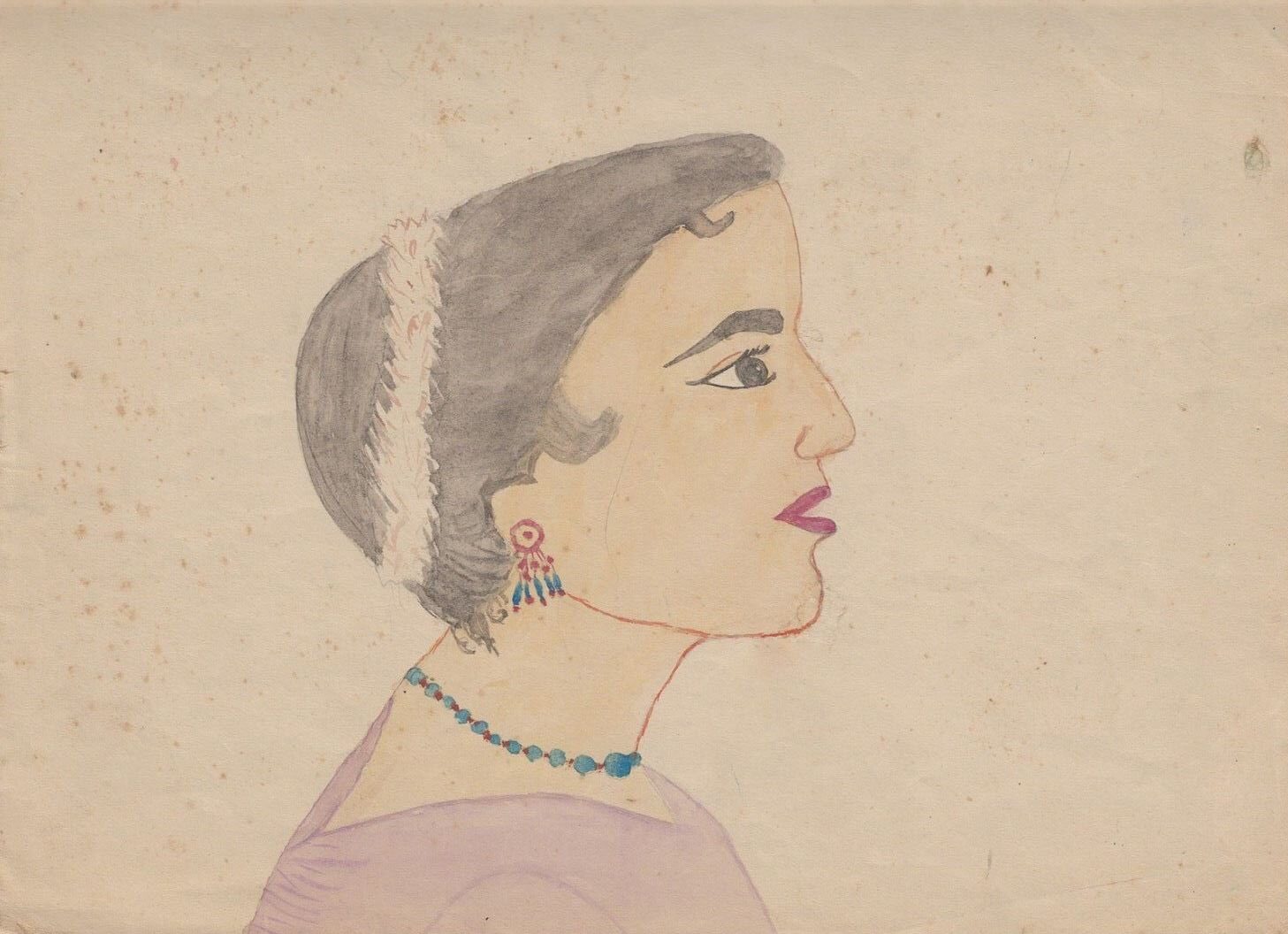
I remember being six and painting portraits of Vaijayanti Mala, Pandit Nehru, and Queen Elizabeth, bold attempts by a little girl who had no idea about anatomy but knew how to feel her way into a subject. Those pieces I still have.
The Moment That Shook Me
At 17, I visited the Faculty of Fine Arts at M.S. University. I walked into a life drawing class where students were sketching a naked woman seated in the center. I was shocked, confused, and deeply disturbed. Why was this the way to learn art? Why was a woman being reduced to just her form?
When I asked a fellow student why they were doing this, she answered, “Because women have good things to show.” That moment has stayed with me ever since.
It wasn’t about prudishness. It was about objectification, about how women were always muses, never makers. Always seen, rarely heard. That day, a question began burning inside me: Why does the art world celebrate women as subjects, but not as creators?
From Question to Creation: The Birth of HAP
Hina’s Art Pavilion is my answer to that question. A space where art doesn’t conform to elitist or sexist norms. A space where women and children can create fearlessly. A space where you don’t need a degree to be considered an artist, just a beating heart and a desire to express.
HAP is built on the belief that creativity is a birthright. That art should be lived, not just observed. That children and women, those often told they are “not enough” have infinite potential when given space to bloom.
Why Women and Children? Because the World Has Forgotten Them
Visit any renowned art museum, and you’ll see: over 95% of the works are by men. Women when they appear are often passive subjects. Rarely the creator. These numbers are not just statistics. They are silent.
At HAP, we rewrite this story. We spotlight women not as muses, but as makers. We create platforms for their voices, their visions, their stories.
And children? They are born artists. I’ve seen it every time, the way a child clutches a brush with wide-eyed wonder, the uninhibited joy of mixing colors, the pride of creating something uniquely theirs. Art fuels their growth, sharpens their minds, and frees their spirits. We owe it to them to nurture that spark.
Art as a Way of Life
Art isn’t confined to walls. It lives in how we dress, how we cook, how we speak, think, play, and connect. At HAP, we call this “Artful Living.” It’s the idea that creativity should infuse every part of life. That art is not an escape from reality, but a deeper way of engaging with it.
That’s why HAP is more than an art gallery. It’s a movement. A space where local artisans are celebrated, where forgotten crafts are revived, where pottery, film screenings, interactive exhibits, and community events bring people together.
We’re not here to display art. We’re here to live it.